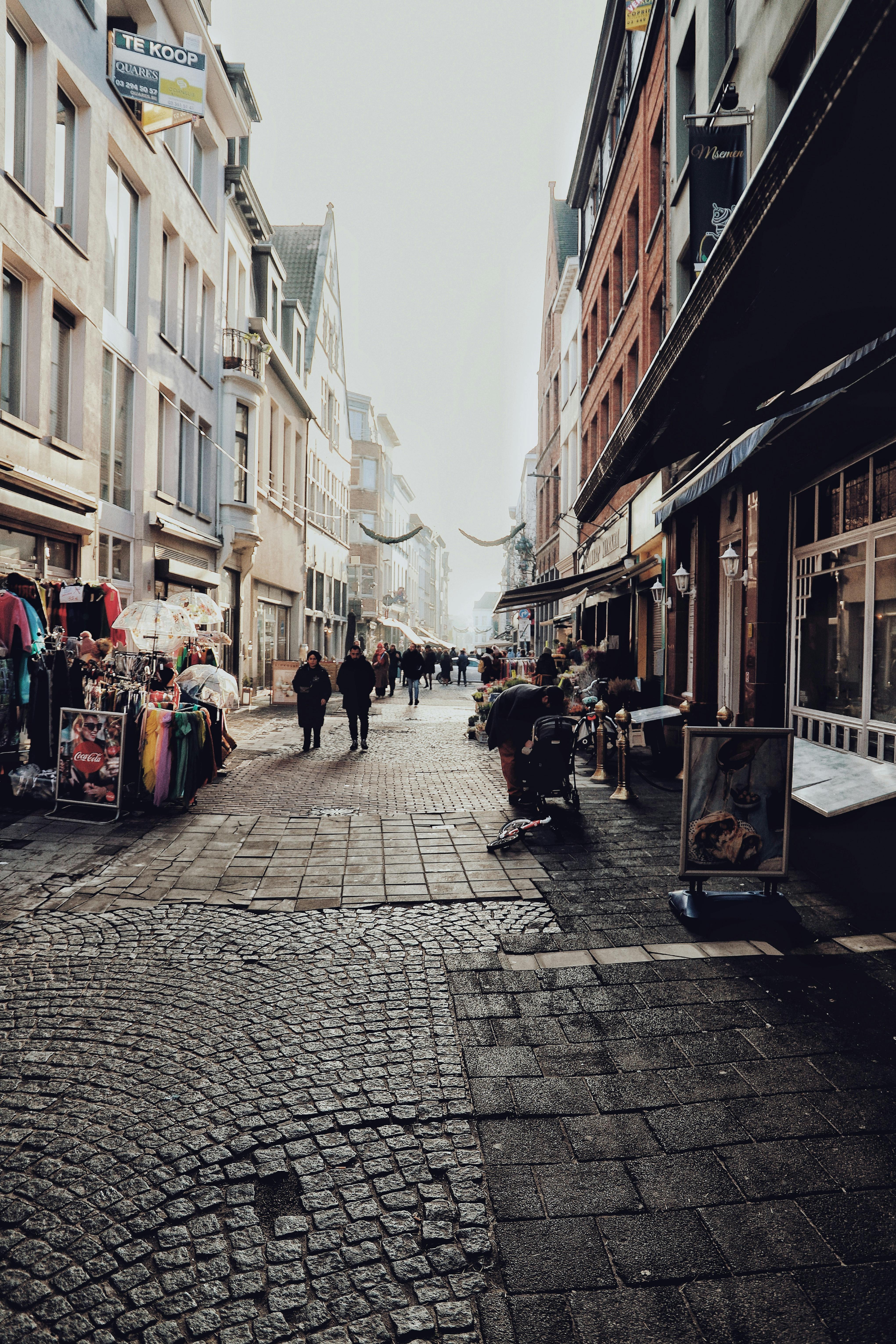
Antwerp has always punched above its weight in design. The city that produced the Antwerp Six, the collective of fashion designers who disrupted Paris in the 1980s, maintains a design infrastructure that influences eyewear as much as it influences clothing. The independent opticians here stock frames that most of the world will not see for another year.
A walk through the shopping districts in early April reveals where independent eyewear is headed for the rest of 2026.
The material shift
Bio-acetate is no longer a novelty. It is becoming the default material for premium independent frames in Antwerp shops. Three of the four independent opticians I visited were leading with bio-based acetate collections, positioning them not as an eco-conscious alternative but as the standard offering. The petroleum-based acetate was the secondary option.
The visual difference between bio-acetate and traditional acetate is minimal to most eyes. The feel is slightly different. Bio-acetate tends to be marginally lighter and has a surface texture that is less plasticky and more organic. Whether consumers notice or care about this distinction is debatable. What matters is that the supply chain is shifting. When independent opticians in a design capital move a material to the front of the display, the rest of the market follows within 12 to 18 months.
Shape language
Round frames remain strong in Antwerp but the interpretation has shifted. The perfectly circular lens is giving way to what one optician described as “imperfect rounds,” frames where the lens shape is approximately round but with slight angular interruptions or flattened sections. The effect is organic rather than geometric, like a stone smoothed by water rather than cut by a machine.
Oversized is present but not dominant. The Antwerp customer appears to prefer frames that are proportional to the face rather than deliberately exaggerated. There is a specificity to the sizing that suggests these buyers are choosing frames for daily wear, not for social media content.
Color trends
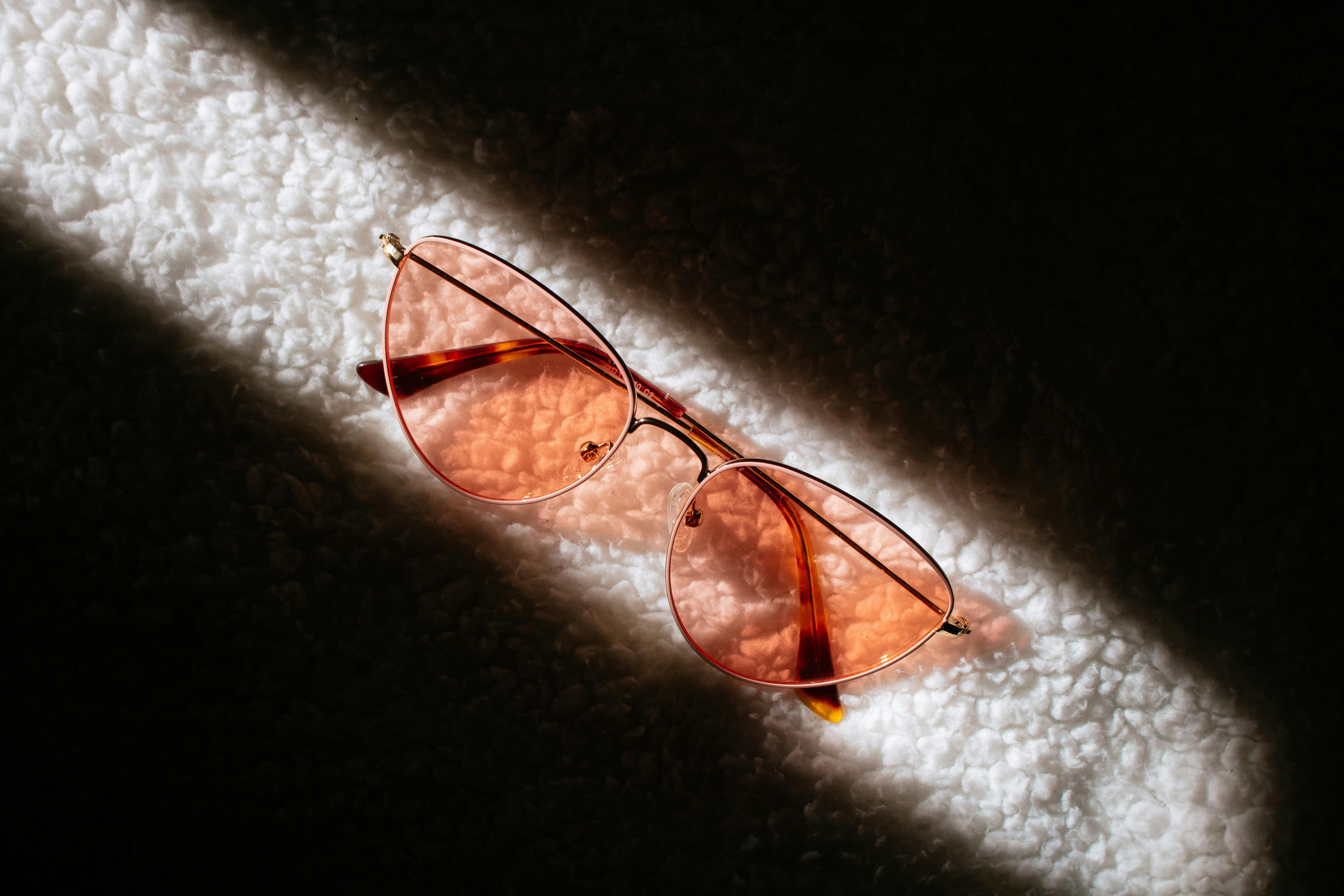
The most stocked colors across all four shops: deep olive green, warm amber, matte grey, and a particular shade of translucent brown that appeared in at least three different brands. Black was present but not prominently displayed. The message is clear: the Antwerp customer has moved past black as the default.
One shop had a small display of opaque pastel frames, lavender and sage, but the owner noted these were “for tourists, not regulars.” The regular Antwerp customer buys earth tones and wears them until they break.
The price conversation
Frames in these shops ranged from 180 to 450 euros. Nobody flinched. The Antwerp eyewear customer treats frames the way other people treat watches: as a considered purchase that should last years. The concept of buying cheap sunglasses and replacing them seasonally is foreign to this market.
This price tolerance creates space for independent brands to thrive because the customer is already willing to pay for quality and design specificity. They are not comparing against mass-market frames. They are comparing against other independent frames.
What it means
Antwerp is a leading indicator, not a mass market. What sells in its independent opticians today will show up in design-conscious shops in London, New York, and Tokyo over the following year. The signals from this spring are: bio-materials as default, imperfect organic shapes, warm earth tones, and a customer base that values craft over brand recognition.
The city that gave fashion its most radical designers continues to set the terms for how the design-literate world accessorizes. Pay attention to Antwerp. It knows what you will want before you do.